Spring: Worksheets and teaching materials for English lessons
Worksheets, exercises and games on the topic of spring for primary school English lessons. The materials are particularly suitable for grades 3 and 4 and help students learn, practice and reinforce English vocabulary related to spring, nature and typical spring terms in a fun way. Ideal for classroom lessons, independent work, station learning or cover lessons – available as ready-to-use PDFs and PowerPoint presentations.

Filter
41 products


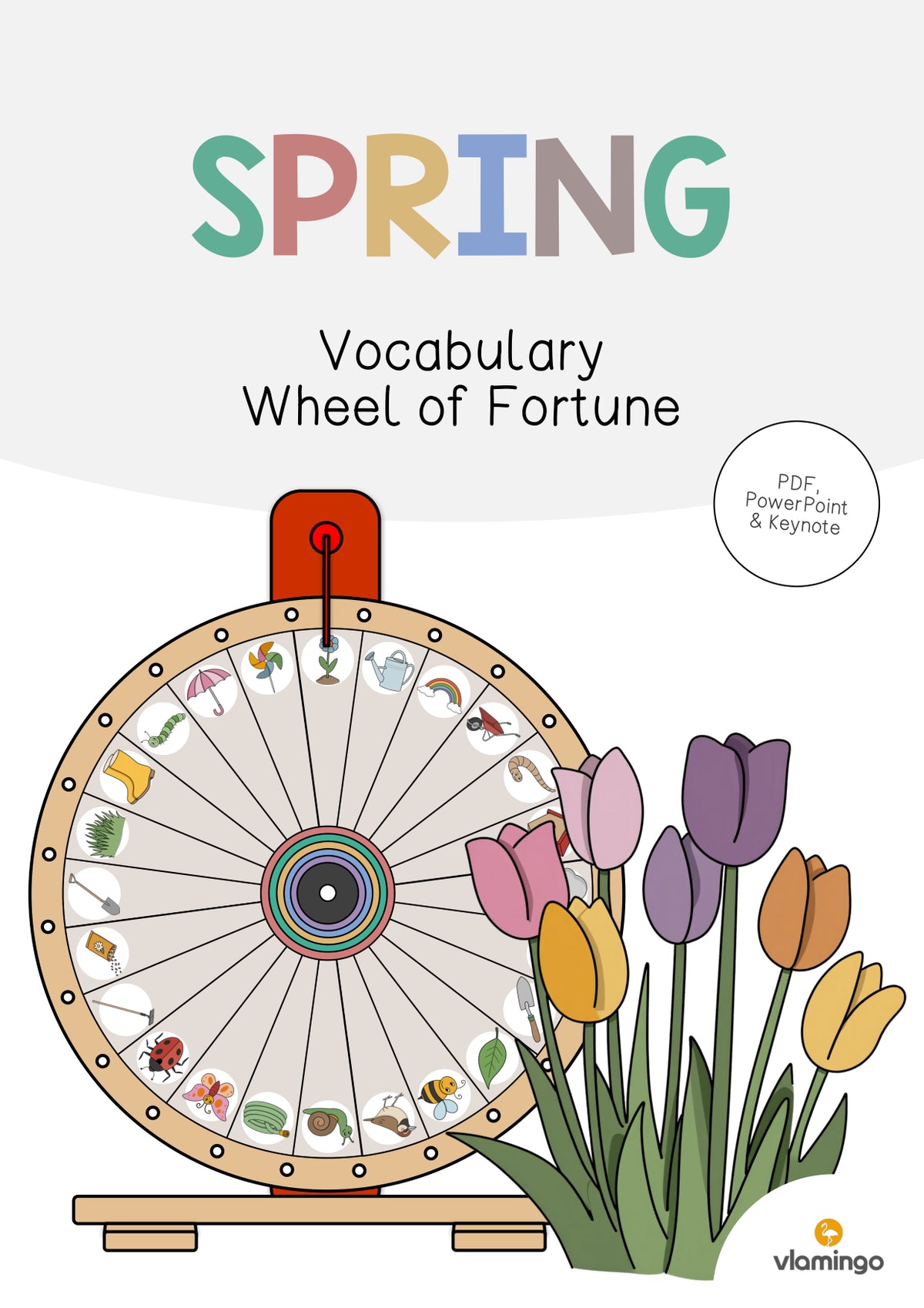


Teaching materials on the topic of Spring
When the first flowers bloom, the days get longer, and animals are seen more frequently again, spring offers many points of connection for English lessons. The topic Spring combines new vocabulary with familiar changes in nature and everyday life. This makes it particularly easy to introduce spring-related terms in English and reinforce them through varied exercises.
In keeping with the season, a wide range of worksheets, educational games, and teaching materials for primary school and lower secondary school are available. Depending on the task format and difficulty level, the materials are suitable for grades 1 to 6. Picture cards, flashcards, dominoes, bingo, memory games, and written exercises enable varied vocabulary work on spring, weather, plants, and animals.
Ways to use the materials in class
The materials can accompany a complete series of lessons on spring or be incorporated specifically into individual English lessons. They are suitable for introducing new vocabulary, reviewing it playfully, and reinforcing words that are already known. The tasks can also be used flexibly as a seasonal introduction after the winter months or around Easter.
Observations from the children's everyday lives can be directly incorporated: Which flowers are growing outside? How is the weather changing? Which animals can be seen again? In this way, the vocabulary related to spring in English is connected to concrete experiences and is easier to remember.
Ideal for:
- Pair work
- Group work
- Station learning
- Independent work
- Weekly planning work
- Remedial lessons
- Substitute lessons
- Review phases
Learning objectives and skills promoted
The focus is on building a seasonal English vocabulary. The children learn typical spring terms, match words to appropriate pictures, and increasingly use the new vocabulary independently. Depending on their level, individual words, short phrases, or simple English sentences can be worked on.
Terms such as spring, flower, blossom, tree, grass, sun, rain, rainbow, butterfly, bee, bird, nest, lamb, or chick are covered in various task formats. In doing so, learners practice their pronunciation, listening and reading comprehension, as well as writing English words and their first sentences. In addition, concentration, memory, and language awareness are promoted.
Design and structure of the materials
The teaching materials cover various aspects of spring and combine visual, playful, and written forms of learning. Flashcards and picture cards support the introduction of new vocabulary, while worksheets provide space for matching, reading, and writing tasks. Dominoes, bingo, memory games, word-picture cards, and other educational games can then be used to review the vocabulary in pair or group work.
In terms of content, the materials range from spring weather and plants to flowers and colors, as well as typical animals and changes in nature. Individual tasks can be used independently or combined into a coherent unit of study. The clear design allows for quick use without extensive preparation.
File formats
- PowerPoint
The materials are available for download as PDF and PowerPoint files and can be used immediately after printing. Editable PowerPoint files can be adapted to the vocabulary and learning level of the respective group if necessary.
Didactic and methodological tips
Seasonal topics offer the opportunity to combine English lessons with current observations. New words can, for example, first be introduced using pictures, then spoken aloud together, and then reviewed in games or written tasks. Switching between different learning methods helps to store the vocabulary permanently.
The topic of Spring can be particularly well combined with Weather, Colours, Animals, Forest Animals, Nature, Easter, or the Seasons. This allows familiar terms to be revisited and placed in a new context. Small nature observations or collected spring items also provide suitable inspiration for vocabulary work.
Differentiation
For beginners, the number of vocabulary words used can be reduced, and clear visual support can be provided. Learners with a larger vocabulary can include additional terms, write words independently, or formulate simple descriptions of spring weather and nature.
The task format can also be adapted: while some children match words and pictures, others complete reading tasks or form their own English sentences. In this way, the materials can be effectively used across different grade levels and for learners at various levels.