Pizza: Worksheets, educational games & teaching materials for English lessons
Pizza is one of the most popular dishes and provides a motivating introduction to vocabulary work in English. When learning about pizza, children discover various ingredients, toppings, and terms related to its preparation. Familiar foods are linked with their English names and reinforced through clear, playful activities.
Filter
39 products


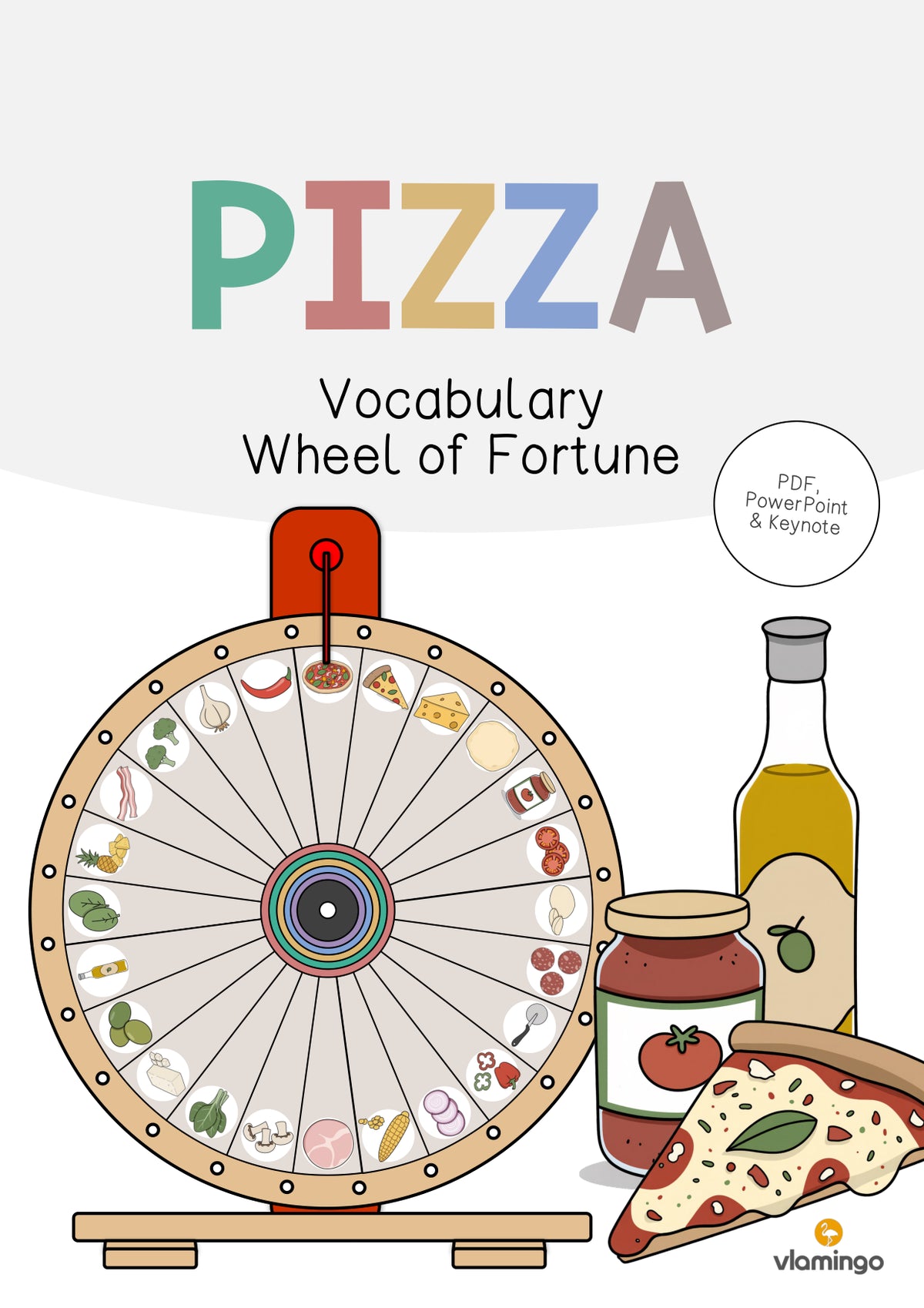


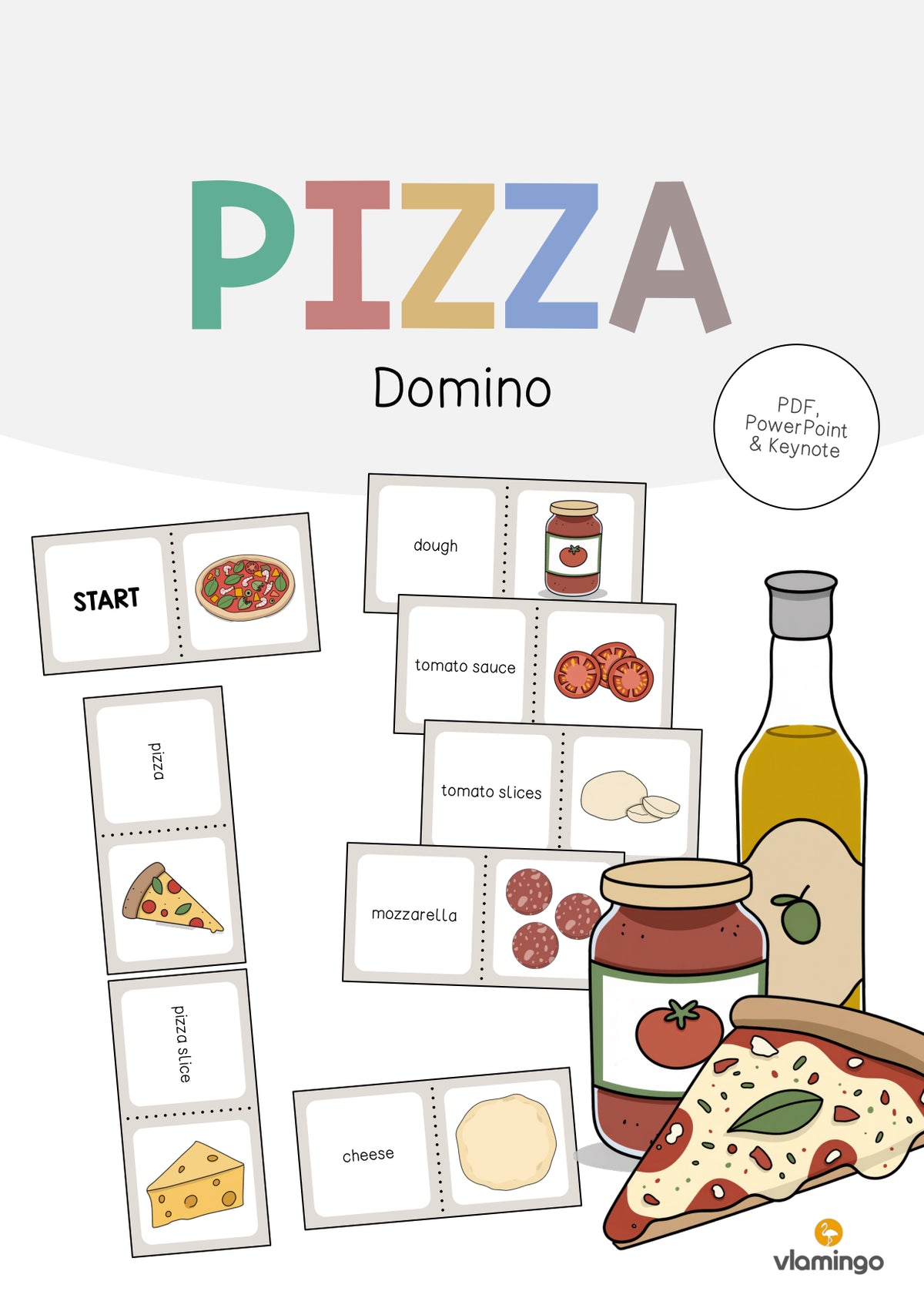


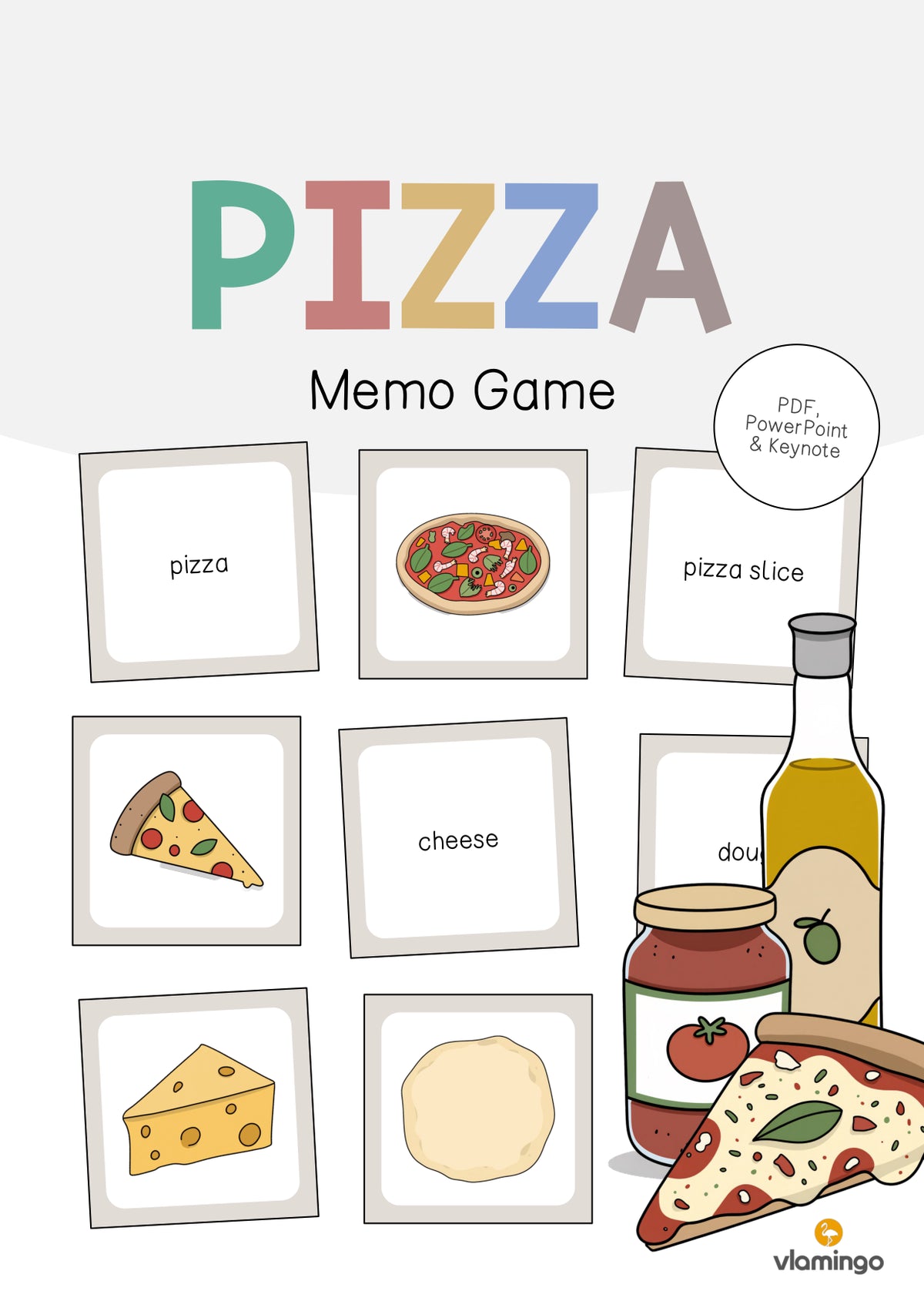


The worksheets, educational games and teaching materials are suitable for primary and lower secondary school. Depending on the range of vocabulary and the language requirements, they can be used in grades 1 to 6 . Through pictures, matching tasks and playful formats, the vocabulary related to pizza, ingredients and pizza toppings in English is taught in an engaging way.
Ways to use the materials in class
To start, different types of pizza can be looked at and familiar ingredients collected. Then the children learn the English terms and match them with the appropriate pictures. They can select ingredients, sort pizza toppings or compare different pizzas with each other.
The materials are suitable for both a short vocabulary unit and more extensive topics related to food, cooking or restaurant visits. They are also suitable for reviewing colours, quantities and personal preferences. Statements about which ingredients someone likes or dislikes can be added gradually.
Ideal for:
- Pair work
- Group work
- Station learning
- Independent work
- Weekly planning work
- Remedial teaching
- Cover lessons
- Review phases
Learning objectives and skills promoted
The children learn important English terms related to pizza and pizza toppings . They distinguish ingredients, match words to the appropriate pictures and reinforce their spelling. Depending on their level of learning, they use the vocabulary individually or within simple sentence patterns.
Possible vocabulary includes pizza, dough, tomato sauce, cheese, mozzarella, mushroom, pepper, onion, tomato, sweetcorn, ham, salami, olive, topping, slice and pizza box . Verbs and descriptions such as cut, bake, hot, crispy or delicious can also be included.
The tasks promote speaking, reading and writing as well as the correct pronunciation of the new terms. When assembling and comparing different pizzas, concentration, accurate matching and the use of familiar sentence structures are also practised.
Design and structure of the materials
The teaching materials cover various ingredients, pizza toppings and objects related to preparation. Flashcards and picture cards make the new terms visible and can be used for introductions, guessing games or short review rounds. On worksheets as well as with word-picture cards and matching tasks, the children then deepen the vocabulary independently.
In dominoes, bingo, memory and other educational games, the English pizza vocabulary is revisited multiple times. The children recognise pictures, find matching pairs or name different ingredients. The individual exercises can be freely selected or put together into a varied lesson unit on the topic of pizza in English.
File formats
- PowerPoint
The materials are available as PDF and PowerPoint files for download. The PDF files can be printed and used directly in class. Editable PowerPoint files can be adapted to the range of vocabulary and the learning level of the group.
Didactic and methodological notes
Pizza provides a particularly accessible conversation topic because many children can name their own favourite ingredients. Starting with different pictures makes it possible to collect existing knowledge and immediately connect new terms with familiar foods.
The topic of pizza can be easily linked to Food and Drinks, Vegetables, Fast Food, Kitchen, Lunch and Dinner, Numbers and Colours . Ingredients can be counted, sorted by colour or assigned to different food groups. Sentence patterns such as I like …, I don’t like … or My pizza has … can also be used according to the learning level.
Differentiation
For the introduction, a few familiar toppings such as cheese, tomato, mushroom and salami can be selected. Clear pictures and simple word-picture matching give learners with little language experience confidence.
Children with a larger vocabulary can learn additional ingredients, describe a pizza in more detail or write short sentences about their preferences. While some learners name individual toppings, others assemble their own pizza and describe its ingredients in English. In this way, the range of vocabulary and language requirements can be flexibly adapted.